Skincare Treatments Trends and Predictions: What's Coming in 2026 and Beyond
By Dr. Mei Chen · Cosmetic Dermatologist & Senior Editor, The Exosome Edit
Updated May 2026Medically reviewed content. Last updated: April 2026.
Disclosure: this article contains affiliate links — we may earn a commission on qualifying purchases at no extra cost to you.
Medically reviewed content. Last updated: April 2026.
Medical Disclaimer: This article is for informational purposes only and does not constitute medical advice. Always consult a board-certified dermatologist or licensed skincare professional before starting any new treatment. Individual results vary based on skin type, condition, and treatment protocol.
Affiliate Disclosure: Some links in this article are affiliate links. If you purchase through these links, we may earn a commission at no additional cost to you. We only recommend products and services we genuinely trust.
Quick Answer: The skincare treatment landscape in 2026 is being reshaped by biotech-driven therapies, AI-powered personalization, and a consumer shift toward longevity-focused protocols. The global skincare market has grown to an estimated $132 billion in 2026, with regenerative treatments like exosome facials, next-generation RF microneedling, and AI skin mapping leading the charge. Expect less downtime, more targeted results, and a blurring of the line between medical aesthetics and preventive wellness.
The State of Skincare in 2026: Market Forces Driving Change
The numbers tell a clear story. The global skincare market reached approximately $132.13 billion in 2026, up from $123.64 billion in 2025, with projections pointing toward $240.28 billion by 2035 (Fortune Business Insights). That's not just growth — it's acceleration. And what's fueling it goes far beyond vanity.
Three macro forces are converging right now. First, dermatology literacy has exploded. Consumers don't just want "good skin" anymore. They're researching peptide mechanisms, comparing exosome sourcing, and demanding clinical data before booking a single appointment. The era of blind trust in a brand name is fading. Second, preventive skincare has gone mainstream. People in their twenties are booking chemical peels and starting retinol/tretinoin protocols not because they have wrinkles, but because they understand that cellular damage compounds over time. Third, the line between "skincare" and "healthspan" is dissolving. Longevity science — once confined to biohacker forums — now influences how dermatologists design treatment plans.
What this means practically: the treatments gaining ground in 2026 aren't just newer versions of what came before. They represent a philosophical shift. Barrier repair, photoaging prevention, pigmentation management, and acne control remain the core concerns, but the approach has changed. Clinicians are thinking in systems, not spot treatments. They're layering modalities — combining in-office procedures with medical-grade homecare — to achieve outcomes that neither could deliver alone.
For consumers, this is mostly good news. More options, better science, and greater transparency. But it also means the landscape is noisier than ever. Sorting signal from hype has never been more important. If you're new to professional skincare, our beginner's guide breaks down the essentials before you book your first appointment.
The U.S. market specifically is being shaped by a demographic wave. Millennials — the largest generation of aesthetic consumers — are entering their early-to-mid forties. They're sophisticated buyers who've been using actives like retinol/tretinoin for years and are now ready for more advanced interventions. At the same time, Gen Z consumers are entering the market earlier than any previous generation, driven by social media education and a preventive mindset. Together, these two cohorts are reshaping what clinics offer and how they market it.
The investment community has noticed. Venture funding in skincare biotech hit record levels in 2025, and that capital is now flowing into the clinical treatments reaching consumers this year. From lab-grown growth factors to AI-guided treatment planning, the innovations entering the market in 2026 have serious science behind them.
Regenerative Treatments Take Center Stage: Exosomes, Growth Factors, and Beyond
If 2024 was the year exosomes entered mainstream conversation, 2026 is the year they became standard protocol in forward-thinking clinics. Exosome-based therapies have consistently been the most-searched ingredient in the aesthetic medicine space, and that search interest has translated into clinical adoption at a pace few predicted.
Here's what changed. Early exosome treatments relied on relatively crude preparations with inconsistent potency. The current generation of exosome products uses standardized manufacturing processes that deliver consistent concentrations of growth factors, cytokines, and signaling molecules. Clinicians can now pair exosome therapy with microneedling or RF microneedling with greater confidence in the outcome. A 2025 clinical study published in the Journal of Cosmetic Dermatology found that microneedling combined with exosome application improved skin texture scores by 43% compared to microneedling alone over a 12-week period.
But exosomes are just one piece of the regenerative puzzle. The broader trend is what dermatologists call "cell communication therapy" — using peptides, growth factors, and signaling molecules to instruct skin cells to behave like younger versions of themselves. This isn't about filling wrinkles or paralyzing muscles. It's about reprogramming cellular behavior at the messenger level.
Several developments are shaping this space in 2026:
Synthetic peptide cocktails designed to mimic specific growth factor profiles without relying on biological sourcing. These offer more consistent results and sidestep some of the regulatory complexity around biologics.
NAD+ boosting treatments that target mitochondrial function in skin cells. Early clinical data suggests that topical and injectable NAD+ precursors can improve cellular energy production, which translates to faster healing, better collagen synthesis, and improved barrier function.
Next-generation PRP protocols that use advanced centrifugation and activation techniques to produce platelet-rich plasma with higher growth factor concentrations. For a detailed comparison of how these stack up against exosomes, see our PRP vs. exosomes breakdown.
The regenerative category is growing because it aligns with what consumers want most in 2026: treatments that work with the body's biology rather than overriding it. The results tend to look natural, the downtime is manageable, and the improvements compound over multiple sessions. For a deeper look at what clinical evidence supports these treatments, check our research-backed benefits guide.
AI and Personalization: The End of One-Size-Fits-All Skincare
This isn't a gimmick anymore. AI-driven skincare analysis has moved from a novelty feature on beauty apps to a genuine clinical tool that's changing how dermatologists design treatment plans. Searches for "AI skin analysis" surged 201.5% year-over-year, and 71% of consumers now expect personalized experiences from skincare brands and providers (in-cosmetics Connect).
The technology has matured significantly. Current AI skin analysis platforms can assess over 15 skin parameters from a single high-resolution image — pore size, pigmentation depth, redness patterns, fine line severity, skin texture uniformity, and moisture barrier integrity among them. More advanced systems use multispectral imaging to see beneath the surface, mapping UV damage and vascular patterns invisible to the naked eye.
But the real shift is in treatment planning. AI face-mapping tools now provide realistic before-and-after projections that show patients what specific treatments would likely achieve. A patient considering laser resurfacing can see a simulated outcome based on their specific skin characteristics, not a generic stock photo. This has done something remarkable for informed consent: patients arrive with clearer expectations, and satisfaction rates have climbed accordingly.
Several clinics are now using AI to build progressive treatment roadmaps. The system analyzes a patient's current skin state, factors in their goals, budget, and timeline, and recommends a sequenced protocol. Maybe that starts with a series of chemical peels to address surface-level concerns, progresses to microneedling for texture and mild scarring, and eventually incorporates RF microneedling or laser resurfacing for deeper remodeling. The AI tracks progress at each follow-up visit and adjusts the protocol based on how the patient's skin actually responds — not how an average patient would respond.
At-home personalization is evolving too. Subscription skincare services now use AI to adjust formulations quarterly based on selfie analysis, seasonal changes, and user-reported outcomes. Some platforms integrate with wearable devices to factor in sleep quality, stress levels, and UV exposure data.
There's a legitimate question about whether all this personalization is necessary for everyone. For someone with straightforward skincare needs — say, mild photoaging and good overall skin health — the marginal benefit of AI-guided treatment over a competent dermatologist's clinical judgment may be small. But for complex cases involving multiple concerns, previous treatment failures, or sensitive skin that reacts unpredictably, AI-assisted planning offers a meaningful upgrade.
The privacy conversation is catching up too. Patients are increasingly asking what happens to their facial imaging data. Reputable platforms are implementing on-device processing that never uploads images to the cloud, and several states are considering legislation requiring explicit consent for biometric skincare data.
Energy-Based Devices: What's Next After RF Microneedling
Energy-based treatments — devices that use light, radiofrequency, ultrasound, or plasma to remodel skin — remain the backbone of clinical skincare. And in 2026, the technology is evolving in two directions: more powerful professional devices with less downtime, and increasingly effective at-home devices that blur the line between clinic and bathroom.
In-clinic innovations. RF microneedling continues its reign as the most popular energy-based treatment, but the devices are getting smarter. New-generation platforms use real-time impedance monitoring to adjust energy delivery based on tissue resistance at each needle depth. The result: more consistent results across different treatment zones on the same face, and fewer adverse events. A 2025 multicenter study reported a 31% improvement in treatment uniformity compared to earlier-generation devices.
Combination platforms are another major trend. Rather than owning five different devices, clinics are investing in modular systems that combine RF microneedling, fractional laser, IPL, and sometimes even ultrasound in a single unit. This lets practitioners switch modalities mid-treatment based on what each area of the face needs. Treating acne scars on the cheeks with RF microneedling, then switching to fractional laser for periorbital fine lines, all in one session.
Picosecond lasers are expanding beyond tattoo removal into skin rejuvenation. These devices deliver energy in trillionths-of-a-second pulses, creating microscopic cavities in the skin that trigger a healing response without significant thermal damage. Early clinical data for pigmentation and texture improvement is promising, with downtime measured in hours rather than days.
Plasma energy devices represent a newer category. These use ionized gas to create controlled micro-injuries that tighten skin and improve texture. While still less established than laser or RF technologies, plasma treatments are gaining traction for eyelid tightening and fine line reduction in areas where traditional lasers carry higher risk.
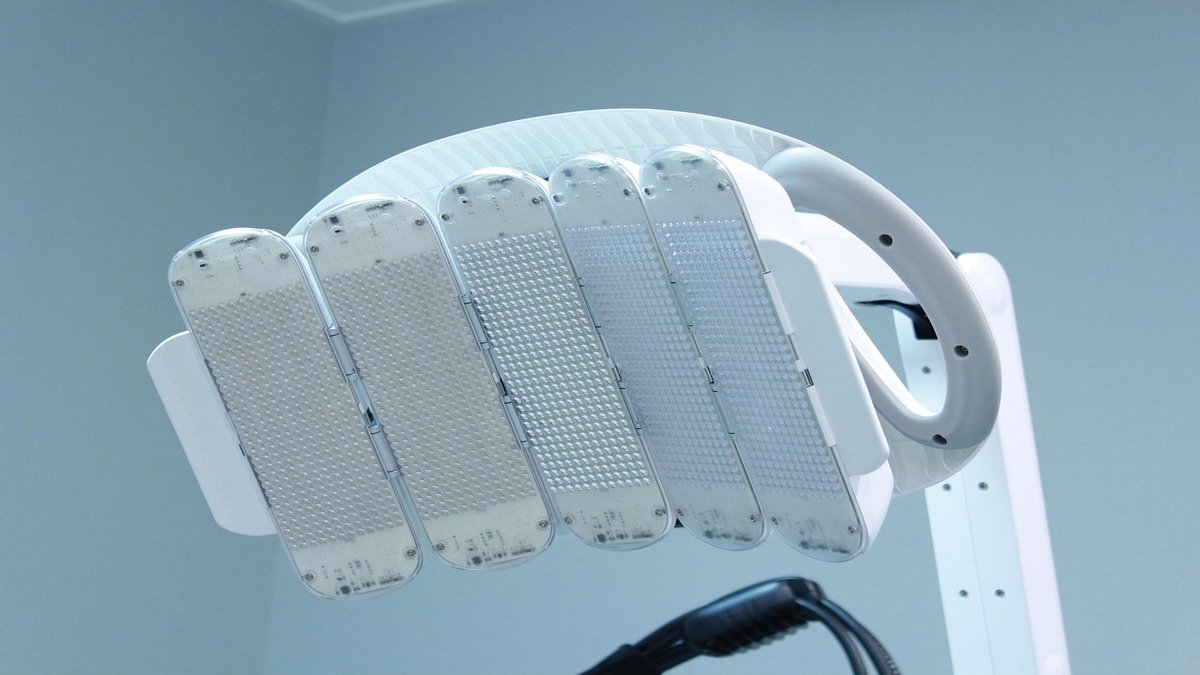
At-home energy devices. The FDA-cleared at-home device category has expanded dramatically. LED masks with clinical-grade wavelengths, low-power RF devices, and microcurrent tools are all more accessible than ever. The key distinction remains intensity: professional devices operate at energy levels 5-10x higher than anything available for home use. At-home devices work, but they work slowly. They're best positioned as maintenance tools between professional treatments, not replacements for them.
For anyone considering laser resurfacing, the 2026 landscape offers more options with better safety profiles than even two years ago. Fractional technology has advanced to the point where ablative results are achievable with non-ablative downtime in many cases.
The Longevity-Skincare Convergence: Treating Skin as an Organ System
This is the trend that separates 2026 from everything before it. Skincare is merging with longevity science, and the implications are significant.
The concept is straightforward: skin aging isn't just a cosmetic problem. It's a biological process driven by the same mechanisms — mitochondrial dysfunction, cellular senescence, chronic inflammation, DNA damage accumulation — that drive aging throughout the entire body. If you can address those root mechanisms, you don't just get better-looking skin. You get healthier skin that functions better as the body's largest organ.
"Longevity facials" have emerged as a treatment category in upscale clinics. These aren't your standard hydrating facials with a trendy name. They typically involve NAD+ infusions or topical application, red and near-infrared light therapy to boost mitochondrial function, peptide serums targeting senescent cell clearance, and lymphatic drainage techniques. Some clinics are incorporating cold exposure or hyperbaric oxygen as adjuncts.
The science is still early. Let's be honest about that. Much of the longevity research in skin is extrapolated from broader aging biology, and the clinical trials specific to "longevity skincare" are small. But the mechanistic rationale is sound, and early adopters are reporting results that go beyond typical facial outcomes — improvements in wound healing speed, barrier resilience, and inflammatory skin condition management.
A few specific developments worth tracking:
Senolytic skincare. Senolytics are compounds that selectively clear senescent ("zombie") cells — cells that have stopped dividing but remain metabolically active, pumping out inflammatory signals that damage neighboring healthy cells. Topical senolytic formulations containing fisetin and quercetin derivatives are in late-stage clinical trials, with preliminary data showing measurable reductions in skin inflammatory markers.
Mitochondrial-targeted antioxidants. Traditional antioxidants like vitamin C work at the cellular surface. A new class of antioxidants — including MitoQ and SkQ1 — specifically accumulate in mitochondria, where the most damaging free radicals are generated. Topical formulations are entering the market, and some clinics are pairing them with LED therapy to amplify mitochondrial function.
Epigenetic skincare. Products and treatments that aim to influence gene expression without altering DNA sequence. Think of it as adjusting the volume knobs on aging-related genes. This category is more speculative, but several major skincare companies have active research programs, and the first consumer products making epigenetic claims launched in late 2025.
The practical takeaway: if your dermatologist starts talking about mitochondria and cellular senescence alongside your retinol/tretinoin prescription, that's a good sign. They're thinking about your skin as a living system, not just a surface to treat.
Clean, Sustainable, and Transparent: The New Consumer Non-Negotiables
Here's a stat that defines the 2026 consumer: 68% now prioritize "clean" labels when choosing skincare products, and searches for "sustainable skincare" have increased 100% since 2020 (Beauty Independent).
But "clean beauty" in 2026 looks different from the fear-based marketing of a few years ago. The conversation has matured. Consumers aren't just avoiding ingredients they can't pronounce. They're asking smarter questions: Is this ingredient tested at clinical concentrations? Is the sourcing sustainable? Does "natural" actually mean anything in this context?
The transparency movement has hit professional treatments too. Patients increasingly want to know exactly what's in the serums applied during their microneedling sessions, what technology their laser resurfacing device uses, and whether their provider's claims are backed by peer-reviewed research. Clinics that publish their protocols and ingredient sourcing are winning trust — and bookings.
Ingredient transparency is becoming a competitive advantage. Brands that publish full clinical trial data, disclose exact concentrations of active ingredients, and provide third-party testing certificates are outperforming those that hide behind proprietary blend labels. This is especially relevant in the exosome and growth factor space, where product quality varies enormously.
Sustainability in professional skincare extends beyond packaging (though recyclable and refillable packaging has become table stakes). Clinics are evaluating the environmental footprint of their devices, the sourcing ethics of biological ingredients, and even the carbon impact of their sterilization protocols. A handful of clinics have achieved carbon-neutral certification, and consumer surveys suggest willingness to pay a 10-15% premium for treatments at certified sustainable practices.
Regulatory clarity is also improving. The FDA has stepped up oversight of skincare claims, particularly around terms like "stem cell," "regenerative," and "medical grade." This is actually positive for consumers — it means the products and treatments that survive regulatory scrutiny are more likely to deliver on their promises.
What's losing traction? Over-complicated 12-step routines. Consumers are consolidating their regimens, favoring fewer products with higher concentrations of proven actives. Retinol/tretinoin remains the gold standard for anti-aging, and most dermatologists now recommend building a core routine around just 3-4 products: cleanser, active (retinoid, vitamin C, or both), moisturizer, and SPF.
Demographic Shifts: Menopause Skincare, Teen Prevention, and Male Aesthetics
Three demographic segments are reshaping demand in ways that clinics can't ignore.
Menopause and perimenopause skincare has finally emerged from the shadows. Estrogen decline during menopause accelerates collagen loss by up to 30% in the first five years, thins the skin, and compromises barrier function. Until recently, the aesthetic industry largely ignored this demographic. That's changed dramatically. Dedicated menopause skincare lines, hormone-informed treatment protocols, and specialized consultations are becoming standard at progressive clinics.
Treatments gaining traction for menopausal skin include RF microneedling for collagen stimulation (where the controlled micro-injuries trigger a healing response that partially compensates for estrogen-mediated collagen loss), medical-grade peptide therapies, and strategic use of chemical peels to address the hyperpigmentation that often accompanies hormonal shifts. Some clinics are collaborating with endocrinologists to coordinate skincare protocols with hormone replacement therapy timing.
Teen and early-twenties prevention is the other end of the demographic spectrum. Gen Z consumers are entering the professional skincare market earlier than any previous generation. The concern here isn't anti-aging — it's prevention, acne management, and establishing healthy skin habits. Gentle chemical peels, professional-grade acne protocols, and education-focused consultations are driving this segment.
There's a delicate balance here. Dermatologists generally agree that aggressive anti-aging treatments are unnecessary (and potentially counterproductive) for patients under 25. But preventive measures — consistent SPF use, appropriate introduction of retinol/tretinoin in low concentrations, and professional guidance on ingredient selection — can establish a foundation that pays dividends for decades.
Male aesthetics continues its quiet growth. The "brotox" phenomenon has expanded well beyond Botox into comprehensive skincare protocols. Men now represent approximately 15% of aesthetic treatment bookings, up from roughly 8% five years ago. The treatments most popular among male patients tend toward those with minimal visible downtime — microneedling, IPL for sun damage, and laser treatments for specific concerns. Marketing to male patients remains a growth opportunity for most clinics.
These demographic shifts matter because they're expanding the total addressable market for professional skincare. A clinic that only serves the traditional core demographic — women 35-55 — is leaving significant revenue and impact on the table.
What's Overhyped and What's Underrated: An Honest Assessment
Not everything trending in 2026 deserves your attention — or your money. Here's a candid breakdown.
Overhyped:
Vampire facials (basic PRP). Standard PRP treatments have been largely overtaken by exosome-based therapies that deliver a broader range of growth factors with more consistent potency. Basic PRP isn't bad, but it's increasingly the budget option rather than the gold standard. Advanced PRP preparations with enhanced activation protocols remain competitive — see our PRP vs. exosomes comparison for the full picture.
"Skinimalism" as a clinical philosophy. Simplifying your at-home routine? Smart. But some clinics are using "less is more" as a justification for undertreatment. A simple routine doesn't mean skipping evidence-based interventions when they're warranted.
Social media-driven "trend" treatments. If a treatment goes viral on TikTok before it has clinical data, approach with extreme caution. The gap between "interesting in theory" and "proven safe and effective" is wide. Slugging, skin flooding, and other internet-born protocols have limited clinical evidence supporting them over established approaches.
Underrated:
Consistent retinoid use. It's not glamorous. It won't get views on social media. But long-term retinol/tretinoin use remains the single most evidence-supported intervention for skin aging. Multiple decades of clinical research, thousands of studies, and consistent real-world results. If you're doing nothing else, you should be doing this.
Professional chemical peels. Chemical peels suffer from an image problem — they sound harsh and outdated. In reality, modern peel formulations offer precise, controllable exfoliation that addresses pigmentation, texture, and mild scarring with minimal downtime. A well-executed series of medium-depth peels can rival more expensive laser treatments for certain indications.
Combination protocols. The most underrated trend is also the most important: combining modalities for synergistic results. Microneedling followed by exosome application. A series of peels to prepare skin for laser resurfacing. Retinoids at home between in-office energy-based treatments. The whole is genuinely greater than the sum of the parts.
Barrier repair as a treatment foundation. Before layering actives and booking aggressive procedures, ensuring that basic barrier function is intact makes everything else work better. This isn't exciting. It is effective.
FAQ
What skincare treatments will be most popular in 2026? Exosome-based regenerative treatments, AI-guided personalized protocols, and advanced RF microneedling are leading in clinical adoption. Laser resurfacing with next-generation fractional devices and combination treatment protocols are also seeing significant growth.
Are at-home skincare devices worth the investment in 2026? FDA-cleared at-home devices (LED masks, microcurrent, low-power RF) can provide meaningful maintenance benefits between professional treatments. They're not replacements for clinical procedures — professional devices deliver 5-10x more energy — but they can extend results and improve day-to-day skin quality. Look for devices with genuine FDA clearance, not just "FDA registered."
How is AI changing skincare treatments? AI skin analysis tools can now assess 15+ skin parameters from imaging, provide realistic treatment outcome projections, and build progressive treatment roadmaps that adjust based on actual results. About 71% of consumers now expect personalized skincare experiences, and AI is enabling that at scale.
What's the difference between exosome treatments and PRP in 2026? Current exosome therapies deliver a standardized, concentrated mix of growth factors and signaling molecules with consistent potency across treatments. PRP relies on the patient's own blood, which means quality varies based on individual health, age, and platelet count. Advanced PRP preparations have narrowed this gap, but exosomes generally offer more predictable results. Read our full comparison.
Should I start anti-aging treatments in my twenties? Prevention is evidence-based. Starting a retinol/tretinoin regimen, wearing daily SPF, and establishing a relationship with a dermatologist in your twenties creates a strong foundation. Aggressive in-office treatments are generally unnecessary at this age, but gentle chemical peels and professional-grade skincare guidance can be valuable.
Related Reading
- Skincare Benefits: What the Latest Research Shows [2026]
- Skincare Treatments for Beginners: What to Know Before Your First Visit
- PRP vs Exosomes: Which Regenerative Treatment Wins [2026]
-- The The Exosome Edit Team